June 2026

What Are the Sneaky Diet Saboteurs?

Cutting the junk from your diet is a great first step toward a healthier weight, but here's the catch: some of the "healthy" foods you swap in are surprisingly high in calories and fat. Even wholesome choices can quietly work against you if portions creep up.

That's why serving size matters, even when it comes to nuts, avocado, yoghurt and salads. Here's your guide to the healthy-but-sneaky foods, with smart swaps and sensible serving sizes to help you get the best nutritional value without the calorie overload.
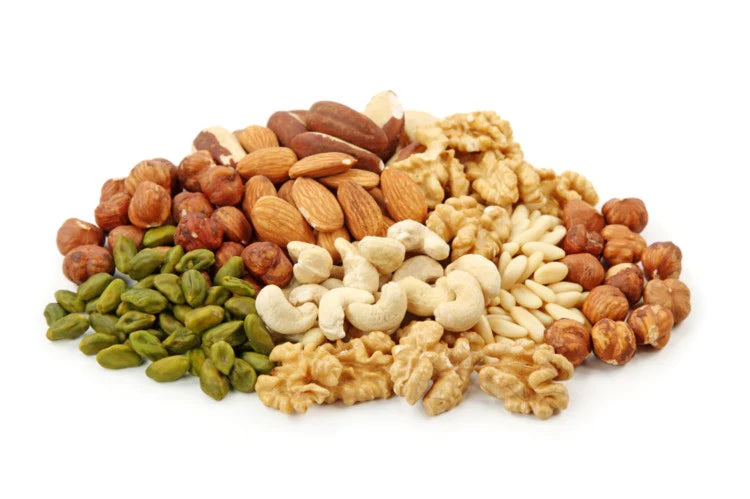
Nuts

Nuts are packed with good fats, protein, vitamin E and fibre, but they're also calorie-dense. A quarter-cup of almonds contains around 132 calories, and it's all too easy to eat them by the handful like popcorn.

Hot tip: Measure out a serving rather than eating straight from the container. A stackable snack container makes it easy to keep each portion to around 100 calories.

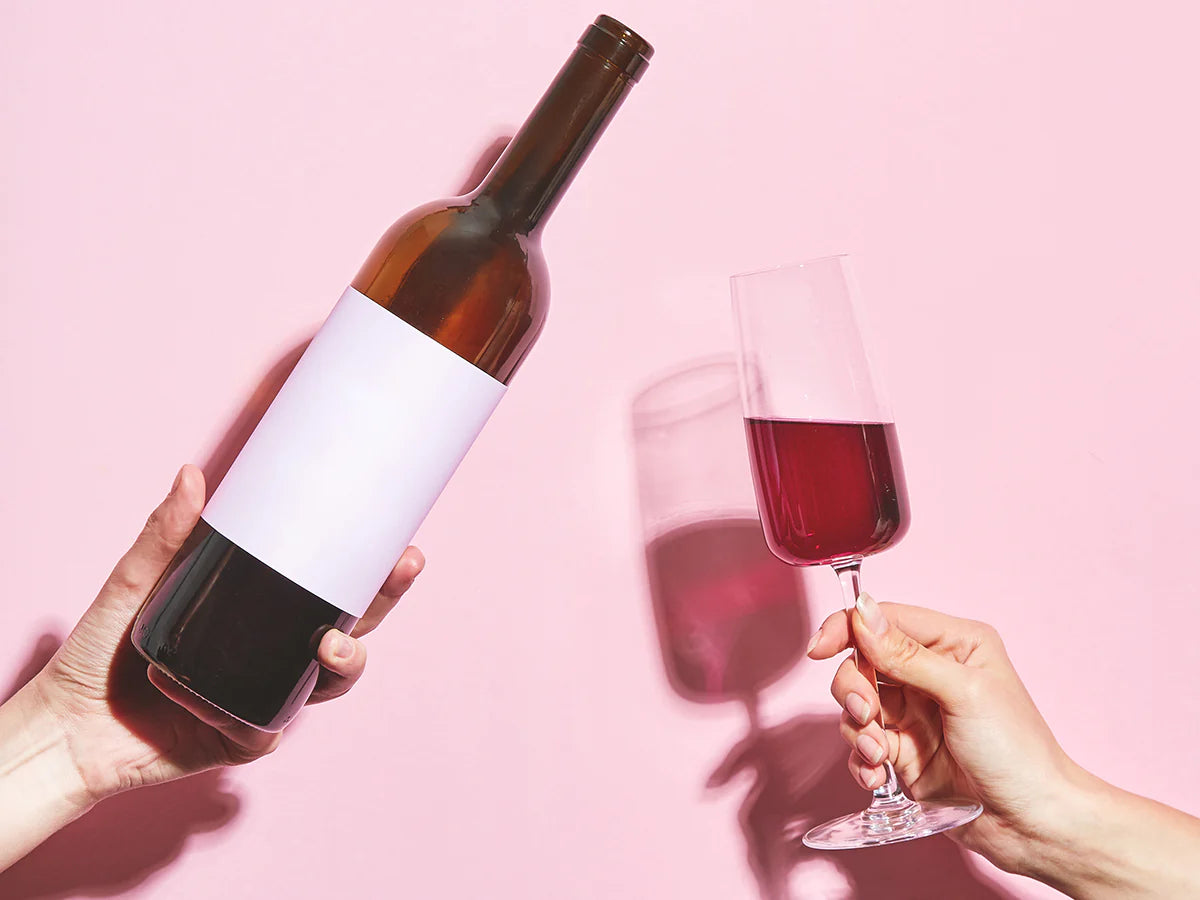
Red Wine

If you drink alcohol, moderation and portion awareness are everything. A 150ml (half-cup) serving of red wine is around 130 calories, and it adds up quickly.

Watch out for: Oversized wine glasses, which make it far too easy to overpour. Try measuring a serving into a measuring cup first, then pouring it into your usual glass so you can see what a genuine serving actually looks like.

(A reminder that alcohol is generally best avoided in the first 12 months after WLS - always follow your surgical team's guidance.)

Avocado

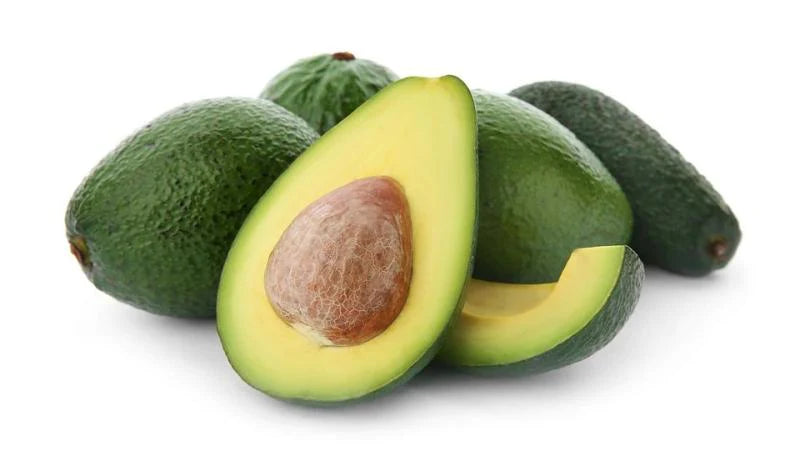
Avocado is packed with nutrients, antioxidants, filling fibre and healthy monounsaturated fats, but it's also calorically dense, so portions are everything if weight management is your goal.

Watch your serving: One serving is about 1/5 of an avocado, at around 50 calories - while a whole avocado can deliver more than 350. That means the bowl of guacamole you love is edging closer to a meal than a snack!

Dark Chocolate

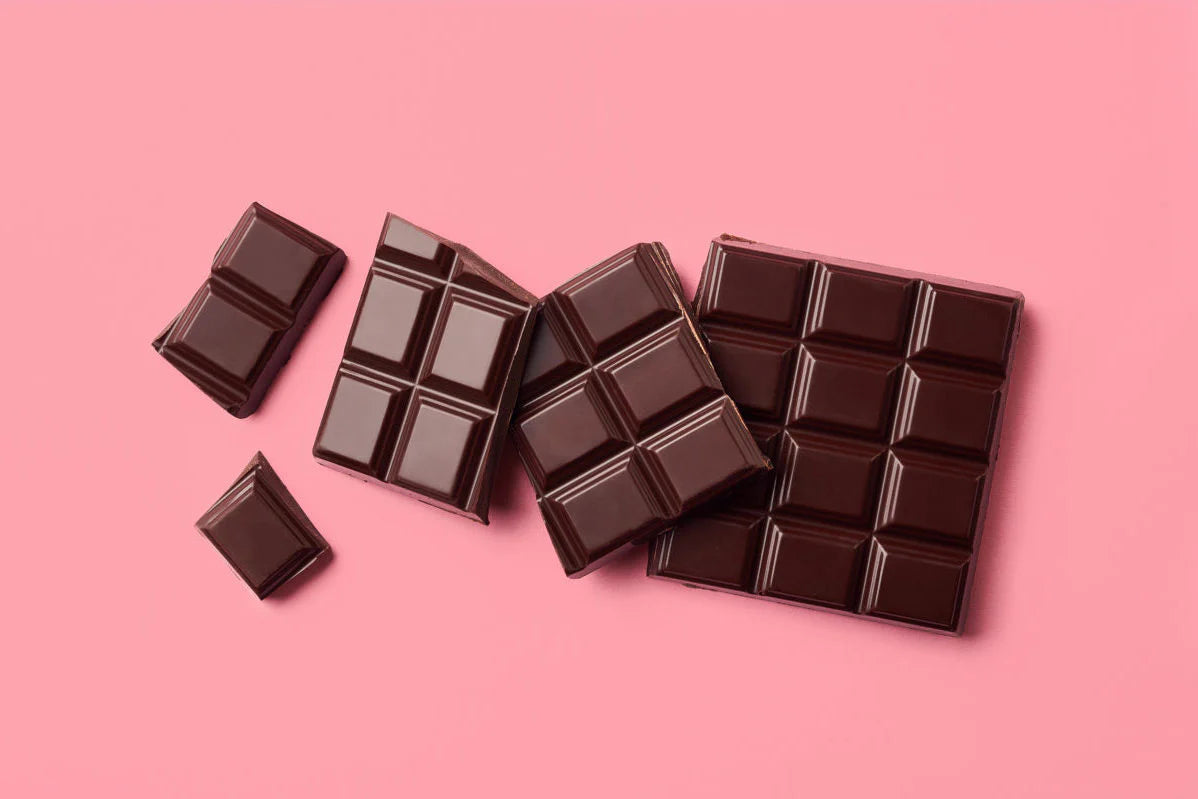
Good news - dark chocolate can absolutely have a place in a balanced diet. It contains antioxidant polyphenols, and a little of what you love goes a long way. The catch is that 25g packs around 155 calories and 9g of fat.

Try this: Choose dark chocolate with a high cacao percentage (it's less sugary), and enjoy just a couple of squares at a time.

Dried Fruit

Dried fruit is simply fresh fruit with the water removed - which means it's far more concentrated in calories and sugar. A cup of fresh grapes is around 60 calories, while a cup of raisins is a whopping 460.

Go fresh: Reach for fresh fruit whenever you can, and use dried fruit sparingly as a garnish rather than a snack.

Yoghurt

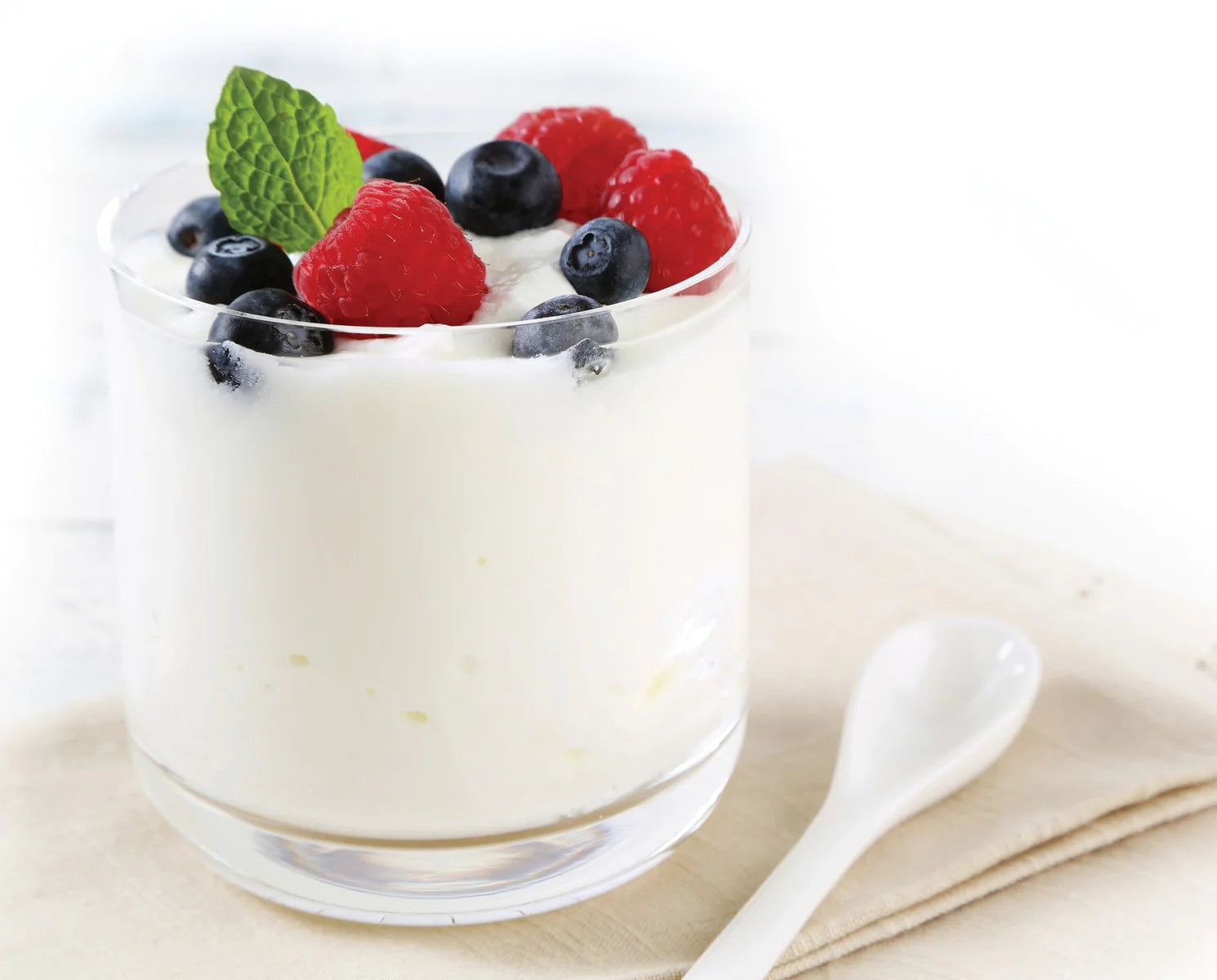
A container of plain yoghurt has around 100 calories and delivers a nice dose of bone-supporting calcium. But a small tub of "fruit on the bottom" yoghurt can contain up to 150 calories and 26g of sugar.

Make your own: Buy plain, fat-free yoghurt and sweeten it with fresh fruit and a little honey. Fat-free Greek yoghurt is even better, naturally lower in sugar and with double the protein to keep you satisfied for longer.

Gluten-Free Products

If you choose (or need) to avoid gluten, it's worth knowing that gluten-free packaged foods aren't automatically healthier. They often replace regular flour with refined alternatives and can be loaded with sugar, which lowers the nutritional value and can leave you hungry again before long. Removing wholegrains can also reduce your intake of B-group vitamins and fibre.

Go whole, go natural: Whether or not you avoid gluten, aim to eat as many whole, natural foods as possible and limit heavily processed options. Wholemeal, rye and sourdough breads are great alternatives to white bread.

Coffee

Coffee contains antioxidants and is a perfectly good part of a balanced day, but the way you order it makes all the difference. A large latte with whole milk can set you back up to 300 calories and 15g of fat.

Small swaps: Drink it black for just 5 calories, or add a splash of fat-free milk and a teaspoon of sugar for around 30.

Iced Tea

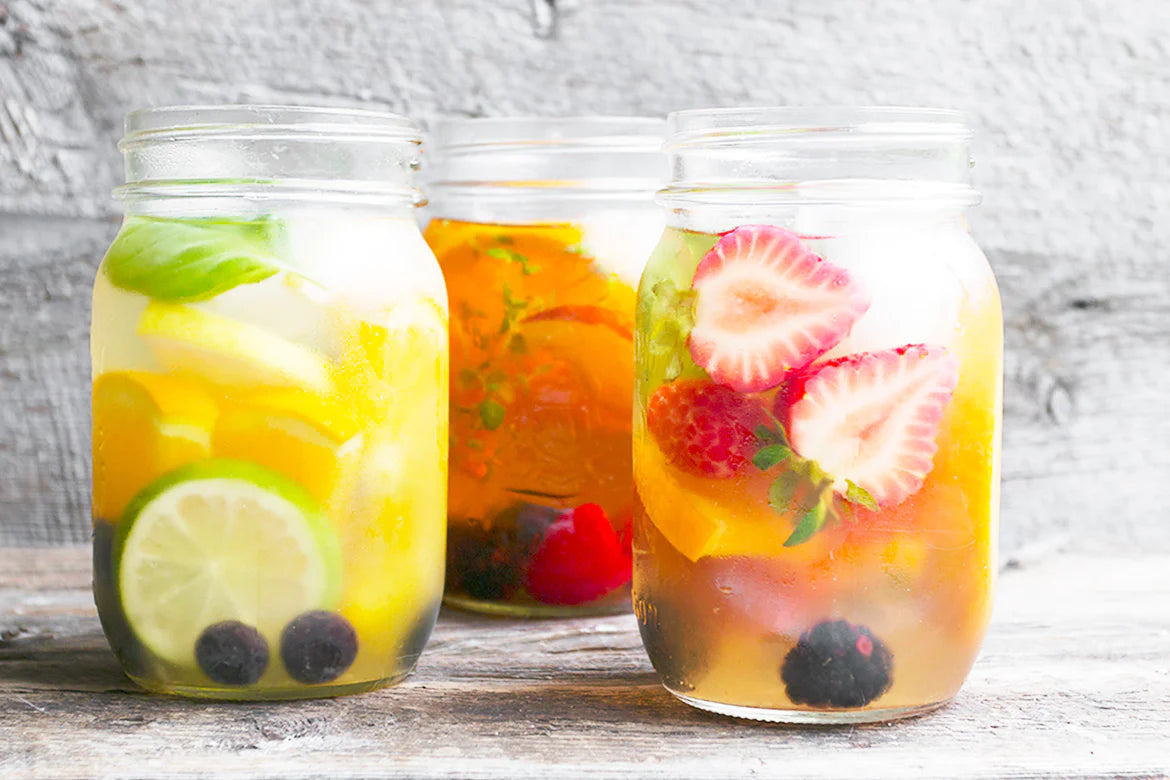
Tea contains antioxidants and is a refreshing, low-calorie choice, but sweetened bottled versions can undo all the good. These are often loaded with sugar, and a single bottle may contain two or more servings.

Guilt-free: Brew your own and add sweetener gradually to taste (you'll almost always use less than a bottled version), or simply choose an unsweetened variety.

The takeaway? Healthy foods are still your best friends, you just need to be portion-aware, especially with the calorie-dense ones. A little measuring and a few smart swaps go a long way toward keeping even your "healthy" choices genuinely working for you.

Related Products

BN Portion Control Plate & Bowl

E-zy Snax - Stackable Lunch Box - 4 Cylindrical Containers

Portion Control Rings