May 2021

6 Healthy Condiments to Embrace - and 4 to Leave Behind

After Bariatric Surgery, meal sizes are smaller - which means every mouthful matters even more. Food becomes something to genuinely savour, and flavour plays a bigger role than ever in making meals satisfying and enjoyable.

The good news is that adding great flavour doesn't have to come at a nutritional cost. Some condiments bring genuine health benefits alongside their taste; others are best left on the shelf. Here's a practical guide to both.

The Good Guys first….

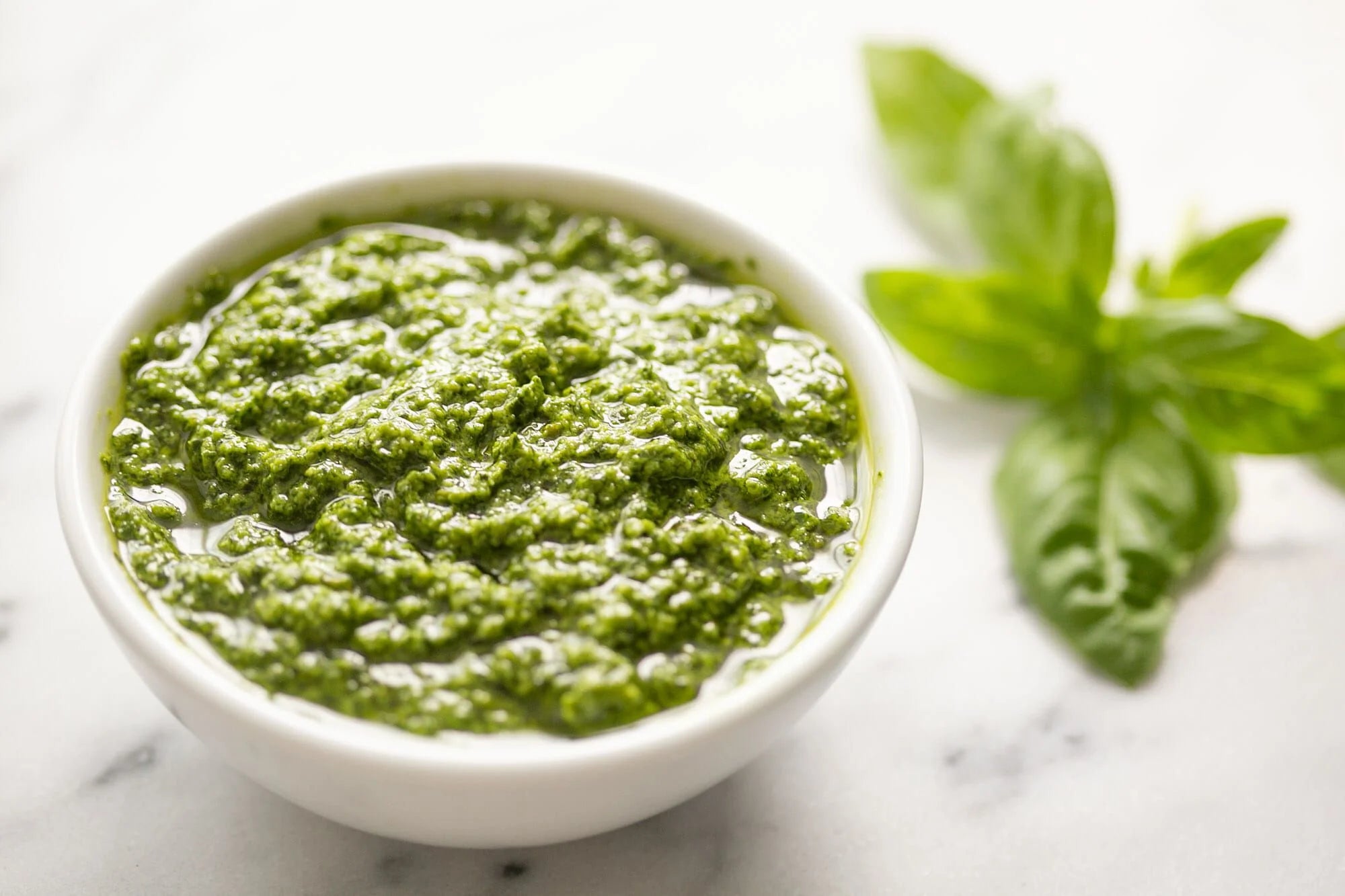
1. Pesto

Pesto adds enormous flavour to almost any dish - stirred through protein, drizzled over roasted vegetables, or used as a dressing base. Traditionally made from basil, olive oil, parmesan and pine nuts, it's a nutritionally rich choice that brings zinc, healthy fats and antioxidants to the table alongside its bold flavour.

Look for pesto made with quality olive oil and minimal additives, or make your own for maximum freshness.

2. Our good friend - TAHINI

Often overlooked, tahini, made from ground sesame seeds, deserves a place in every post-WLS kitchen. It has a creamy texture and a nutty, slightly savoury flavour that works beautifully as a replacement for less nutritious creamy sauces and dressings.

Tahini is notably rich in calcium, which is particularly relevant after gastric sleeve or bypass surgery due to changes in calcium absorption. Adding calcium-rich foods like tahini to your daily menu is a simple and delicious way to support your intake.

Easy tahini dressing: blitz plain yoghurt, a spoonful of tahini, a clove of garlic and some lemon juice. Add water to thin it out for a dressing, or leave it thicker for a sauce. Once you've tried it, you won't look back.

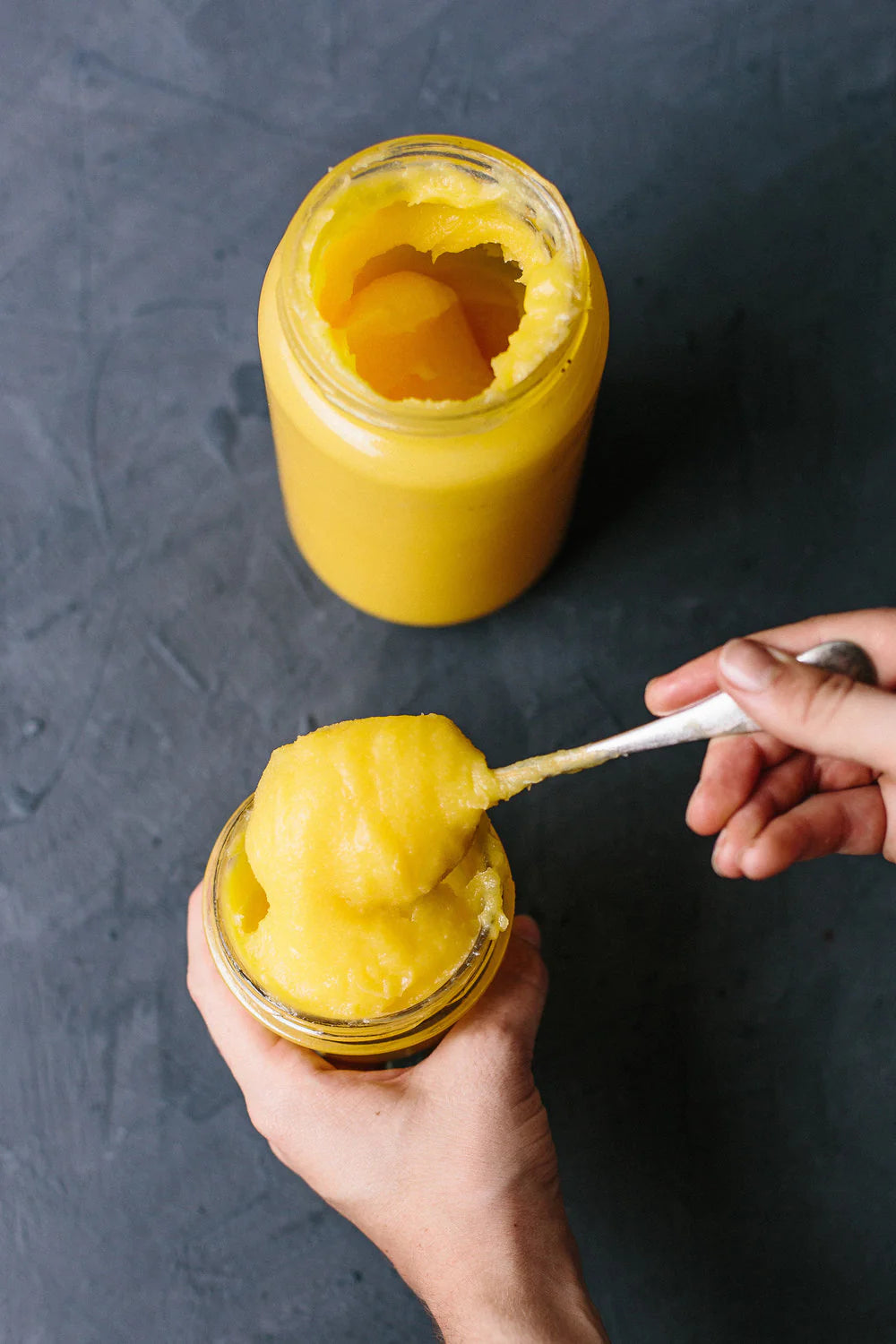
3. Ghee

Don't be afraid of ghee. It's simply butter with the milk solids removed, which makes it a purer fat source and one that handles heat very well.

If you're eating a reasonably clean diet with limited refined carbohydrates and processed foods, quality fats like ghee are a perfectly sensible part of the picture. Drizzled over roasted vegetables or used in cooking, ghee adds richness and flavour without the additives found in many processed alternatives.

For the best nutritional profile, choose ghee made from organic or grass-fed butter, which tends to be higher in omega-3 fatty acids.

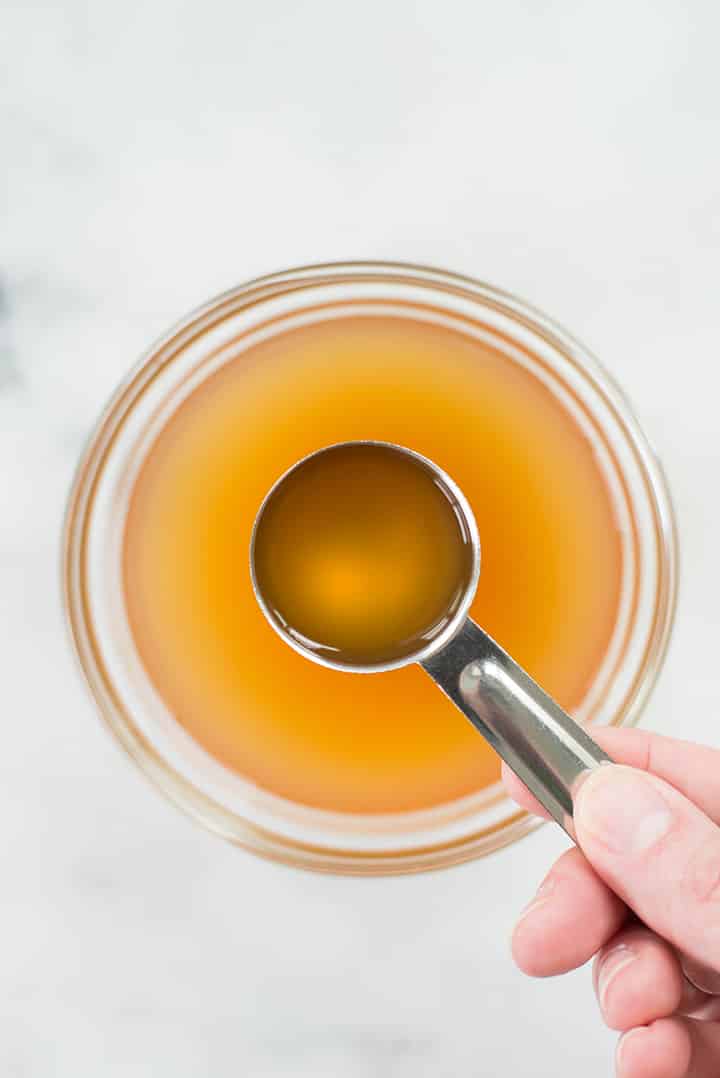
4. Apple Cider Vinegar

Apple Cider Vinegar has a long history of use as a health-supportive food, and for good reason. Used as a base for homemade dressings, it's a flavourful, low-calorie alternative to store-bought options, and may help support feelings of fullness after meals.

The "with the mother" version retains the natural cultures from fermentation, which supports its broader nutritional value.

Simple ACV dressing: combine ACV, olive oil and a little garlic or mustard. Done.

5. Salsa

Salsa is one of the easiest wins in the post-WLS condiment lineup, it adds flavour, colour and variety to meals without loading up on unnecessary calories or fat. Look for a brand made simply from tomatoes and spices with no added sugar or preservatives. Mrs Renfro's is a great example.

Cooked tomatoes are also a good source of lycopene, an antioxidant that contributes to general health and wellbeing. Use salsa freely and enjoy.

6. Plain Greek Yoghurt

Greek yoghurt is a quiet achiever in the post-WLS kitchen. It's thicker than regular yoghurt, high in protein, and, when pot-set, contains live cultures that support a healthy gut microbiome.

Use it in place of creamy sauces and dressings, or customise it with herbs, garlic, tahini, lemon, spinach or basil for something more interesting. It's also worth searching for a "green goddess dressing" recipe using Greek yoghurt as the base, versatile, delicious and genuinely nutritious.

Say Goodbye to these guys...

1. Anything Containing MSG

MSG (monosodium glutamate) is a flavour enhancer used widely in processed foods and restaurant cooking. While it's not harmful in small amounts for most people, it's a marker of highly processed food that typically offers little nutritional value. Ask at restaurants whether they use MSG, you may be surprised.

2. Margarine

Margarine often contains trans fats, a type of processed fat that is best avoided as part of a healthy diet. Trans fats are associated with raising unhealthy cholesterol levels, and most health guidelines recommend limiting them wherever possible. Real butter, ghee or quality olive oil spreads are far better options.

3. Store-Bought Sauces - BBQ, Tomato, Sweet Chilli, Teriyaki

These sauces are typically loaded with sugar, salt, preservatives, artificial colours and flavours. A quick look at the ingredient list tells the story. They may taste good, but they offer very little nutritional value and can quietly add significant sugar and calories to otherwise healthy meals.

Making your own versions, or choosing brands with clean, short ingredient lists, is almost always a better option.

4. Fat-Free Dressings

"Fat-free" sounds healthier, but in practice these products typically compensate for the missing fat with added sugar and salt - neither of which serve your post-WLS health goals particularly well. You're much better served by a simple homemade dressing using olive oil, ACV and a squeeze of lemon.

After WLS, your capacity for food is limited, and that limitation is actually an invitation to be more intentional about the quality of what you eat. Condiments might seem like a small detail, but over time these small choices add up. The swaps above are simple, practical and genuinely delicious, worth making a permanent part of your post-WLS routine.

Related Products

Feel Good Collagen Protein Water