June 2026

6 Top Things to Avoid after WLS and Why

Bariatric surgery comes with a steep learning curve. There's a lot to take in over a short period, and while most of us learn the "rules" about certain foods and products to avoid, we're not always told why, or we simply can't remember when it counts.

Let's look at six things to avoid after WLS, when to avoid them, and the reasoning behind each. As always, your professional team knows you best - so if in doubt, ask them directly, and use this as a general guide.

1. Processed Foods

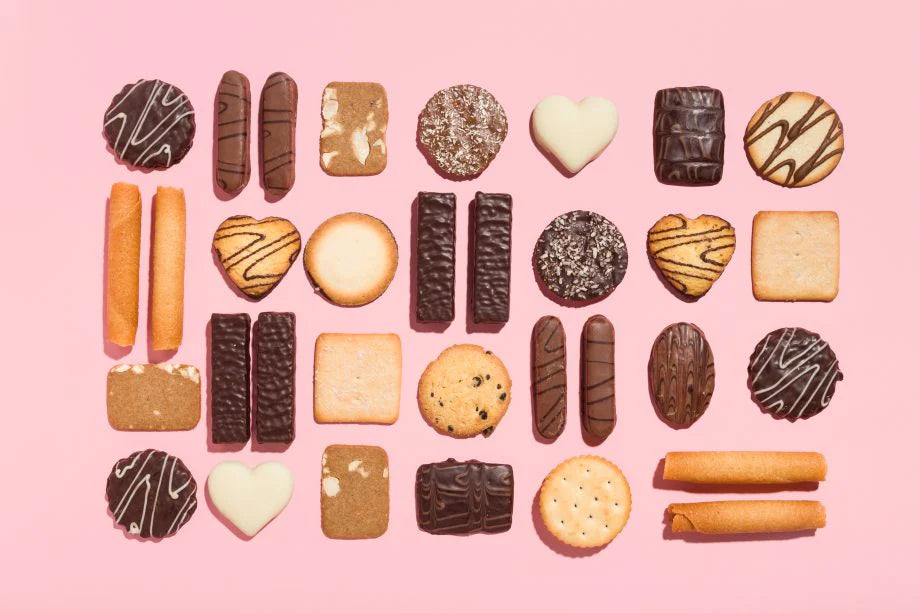
Food is central to your vitality, and generally speaking, the further a food is from its natural state by the time it reaches your plate, the less nutritional value it offers. Common examples include processed cheese, sugary breakfast cereals, refined bread, savoury snacks (crisps, sausage rolls, pies), processed meats (bacon, sausage, ham, salami), ready meals, and cakes and biscuits.

Reducing ultra-processed foods is one of the most impactful steps in your journey. Returning to regular processed-food intake is a common contributor to weight regain after surgery - and beyond the sugar, refined carbs and unhealthy fats, these foods do little for the gut health that needs your care and attention now.

2. Soft Drinks and Cordial

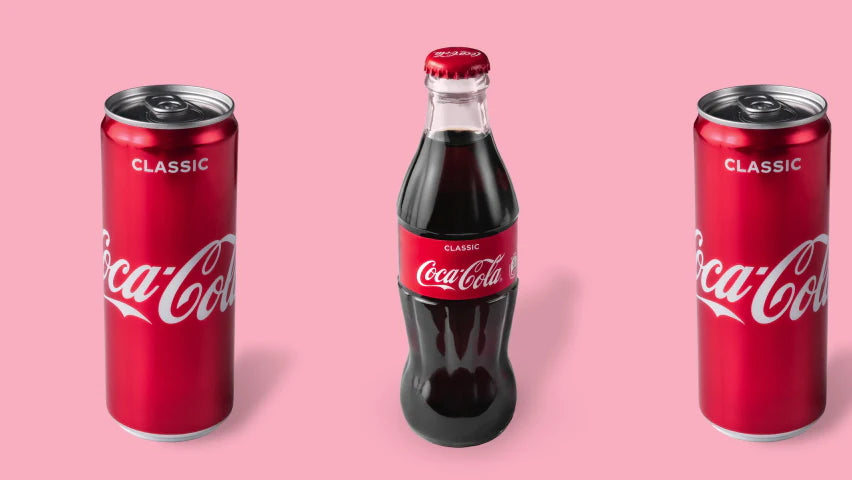
Soft drinks are off the menu for a few reasons. Most importantly, the carbonation can pose a risk to the suture sites in your pouch or bypass, which is why some surgeons recommend avoiding them for life and others for a set period after surgery, always follow your own surgeon's advice here.

Beyond that, these drinks are high in calories with no real nutritional benefit. What was once an occasional treat has become an everyday item for many people, and that's where the problem lies. Sugar-laden drinks and foods can also trigger an uncomfortable reaction in some WLS patients, including cramping, nausea, sweating or other symptoms, either immediately or soon after overconsumption. There's simply no place for them in the balanced eating plan you're building.

3. "Slider Foods"

Slider foods are one of the biggest hidden stumbling blocks after surgery, and understanding them is essential whether you've had a sleeve or bypass.

Put simply, slider foods take up space in the packet but, once eaten, turn to a soft, carby mush that takes up almost no room in your stomach and offers little nutritionally. Because they slide straight through, they leave you hungry again quickly.

Examples include chips and crisps, crackers (Salada, rice crackers, Jatz, Shapes), pretzels, popcorn, sweet biscuits, tortilla chips, cookies, cake, and sweets. These tend to be high in calories, salt and unhealthy fats, and because they don't stay in your stomach long enough to keep you satisfied, the result is a lot of extra calories, very little nutrition, and a hungry stomach asking for more before long.

The rise of highly processed foods has contributed significantly to declining public health over recent decades - another good reason to keep these to a minimum.

4. Alcohol

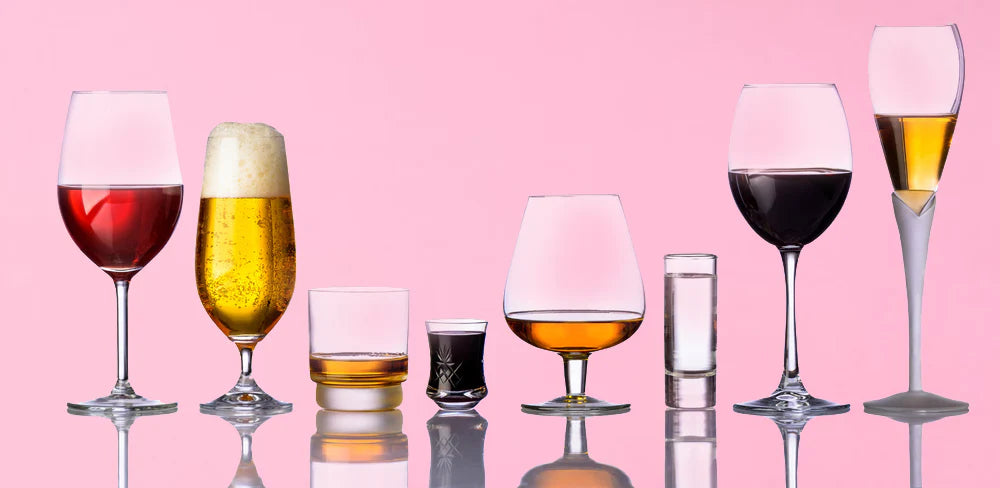
It's generally recommended that patients avoid alcohol for the first 12 months after surgery, while new habits are forming and the focus is on your early progress.

Alcohol, and the sugary things we tend to mix it with, is high in calories and can stimulate appetite, which runs counter to what you're working toward. Many patients also find they're more strongly affected by alcohol after surgery, so it needs to be approached with real care if and when you do reintroduce the occasional social drink.

If you do, make sure you've had a substantial meal and plenty of water first. Drinking alcohol after a gastric sleeve is a personal choice that can be done safely in moderation and with caution, but it's always worth discussing with your surgeon in the context of your specific situation.

5. Greasy and Deep-Fried Foods

Gastric sleeve and bypass surgery significantly affect your digestive secretions, the enzymes, bile and acid your body uses to break down food, draw out nutrition, manage protein, and make fats digestible.

With a reduced capacity to process fats, some people notice signs of poorer fat digestion, such as changes in stool, a feeling of fullness or discomfort under the rib cage, or digestive upset. Deep-fried foods are not only high in calories and unnecessary fats, they're also genuinely hard to digest.

Digestive issues, including gallstones, are more common after WLS. One of the best ways to reduce the load on your gallbladder is to minimise fried foods and overly fatty cuts of meat. Ideally, your daily choices should be geared toward supporting gut health and reducing the digestive burden, so your body can focus on healing and your weight loss goals. If you experience persistent digestive discomfort, always check in with your healthcare team.

6. Ibuprofen and Other NSAIDs

This is an important one. The reduced stomach size following any type of gastric surgery presents a genuine problem with non-steroidal anti-inflammatory drugs (NSAIDs), such as ibuprofen.

Taking NSAIDs after WLS carries an increased risk of serious damage to the stomach pouch, including ulcers. Always consult your surgical team before taking any medication after weight loss surgery, and always remind any prescribing doctor that you've had WLS so they can avoid recommending anything that could cause harm.

Learning what to avoid, and understanding why, is one of the most empowering parts of your WLS journey. Keep this as a guide, lean on your professional team for anything specific to you, and remember that every good choice is an investment in your long-term health.

Jacqui Lewis
BHSc Nutritional and Dietetic Medicine

Related Products

BN Chocolate - Calcium + Vitamin D

BN Protein - Whey Protein Isolate Powder