August 2026

Eating Well During a Medical Weight Loss Program: A Nutrition Guide

Starting a medically supervised weight loss program is a significant step, and what you eat alongside it can make a real difference to how you feel, how well you maintain muscle, and how sustainable your results are over time.

When food intake drops significantly, every meal becomes more important. This guide walks through the key nutrition principles to help you feel your best and stay well-nourished throughout your program.
Why Nutrition Matters So Much During Medical Weight Loss

Medical weight loss programs often result in a significant reduction in overall food intake. While this is part of how they work, eating less means there's less opportunity to get all the vitamins, minerals, and macronutrients your body needs each day.

Nutrients that commonly need extra attention during periods of reduced food intake include calcium, iron, magnesium, zinc, and vitamins A, D, E, K, B1, B12, and C. Without a deliberate focus on nutrient-dense eating, and often, targeted supplementation, gaps can develop over time.

The goal is simple: make every eating opportunity count.

Key Nutrition Principles

1. Prioritise Protein

Protein is essential for preserving muscle mass during weight loss. Without adequate protein, the body can draw on muscle tissue for energy, which is the opposite of what we want. Including a source of quality protein at every meal and snack helps protect muscle and supports general health.

Good sources include eggs, lean meats, seafood, legumes, dairy, and tofu. Most adults on a medical weight loss program benefit from a minimum of 60–80g of protein per day, though your individual target should be confirmed with your healthcare provider or dietitian.

2. Focus on Nutrient Density

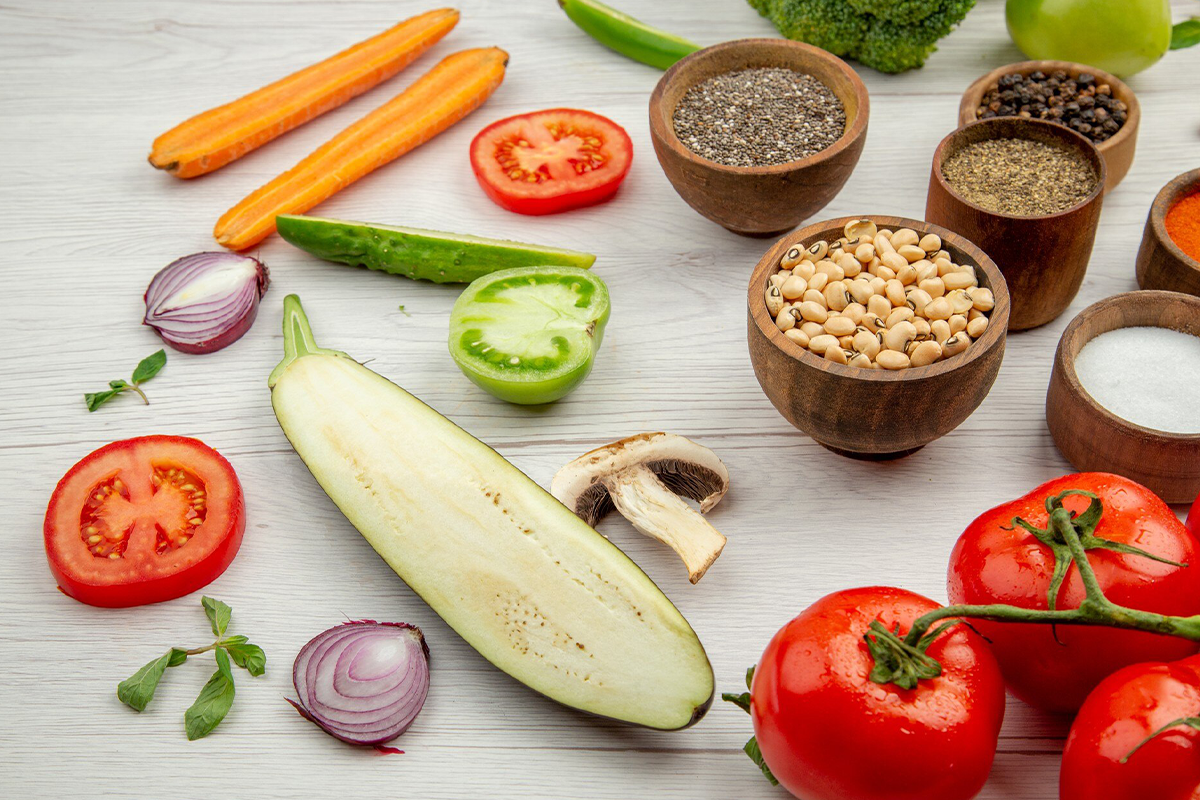
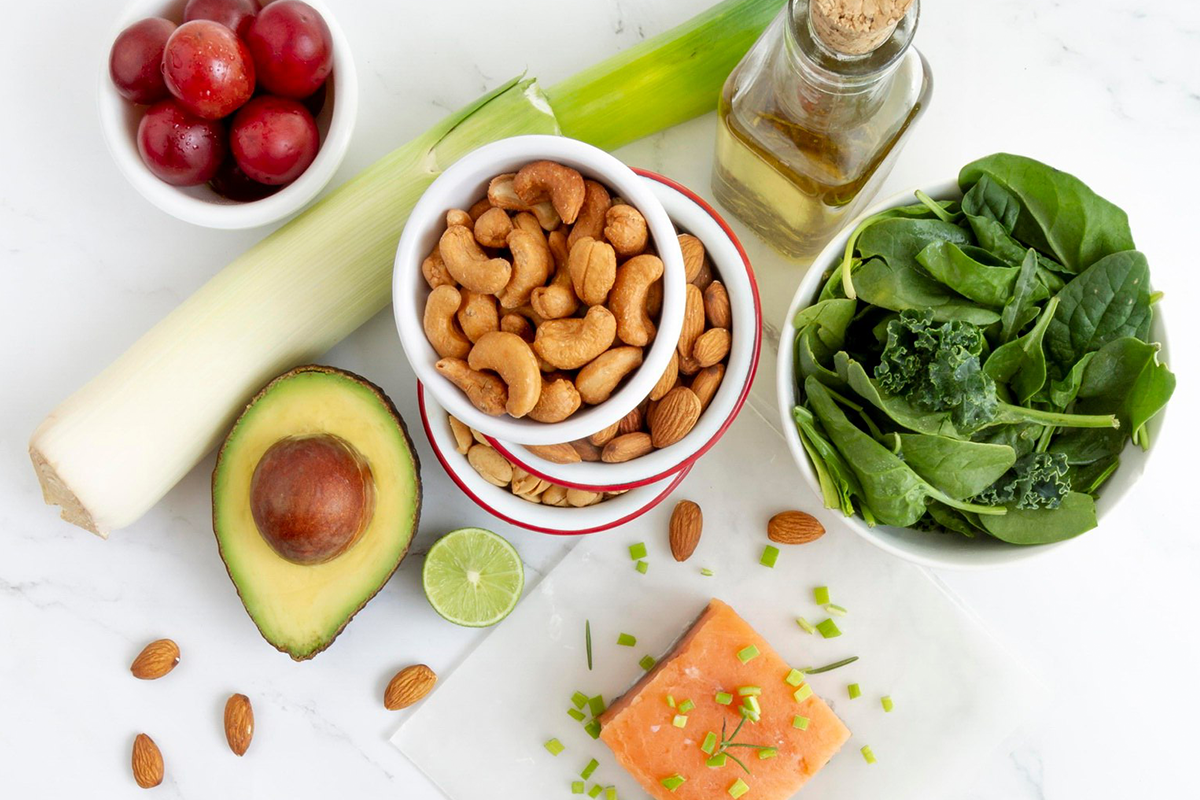
Because overall food volume is reduced, the quality of what you eat matters more than ever. Prioritise foods that pack a lot of nutritional value into a small amount - think leafy greens, colourful vegetables, whole grains, legumes, nuts, and seeds.

It's also important to remember that even when appetite is reduced, the body still needs a meaningful amount of energy to function well. Aiming for at least 1,000 nutritious calories per day is a reasonable minimum for most adults, though your team may guide you differently based on your individual needs.

3. Choose Low-GI Carbohydrates

Low-glycemic index (GI) carbohydrates are digested more slowly, which helps support stable energy levels throughout the day and tends to be gentler on the digestive system. Good options include sweet potato, lentils, chickpeas, steel-cut oats, quinoa, and wholegrain breads and pastas.

4. Include Healthy Fats

Healthy fats support satiety and play an important role in the absorption of fat-soluble vitamins (A, D, E, and K). Include sources like olive oil, avocado, nuts, seeds, and oily fish such as salmon and sardines. These also help support a healthy omega-3 to omega-6 ratio, which is relevant to general wellbeing.

5. Eat Small, Regular Meals

Appetite and hunger cues can change significantly during medical weight loss programs. Rather than waiting until you feel hungry, plan to eat at regular intervals throughout the day, typically every 3 to 4 hours.

Preparing small, protein- and nutrient-rich meals in advance makes it much easier to stay nourished consistently. Starting your day with a protein-rich breakfast, even if you don't feel hungry, can help stabilise your energy and set a good nutritional tone for the rest of the day.

If you find yourself regularly eating fewer than three balanced meals per day, it's worth checking in with your dietitian to make sure your nutritional needs are being met.

A Sample Day of Eating

Here's a simple example of how a well-balanced day might look:

Breakfast

  • Scrambled eggs with spinach and tomato, cooked in olive oil
  • One slice of wholegrain toast
  • Small handful of berries

Morning Snack

  • Greek yoghurt with a teaspoon of chia seeds

Lunch

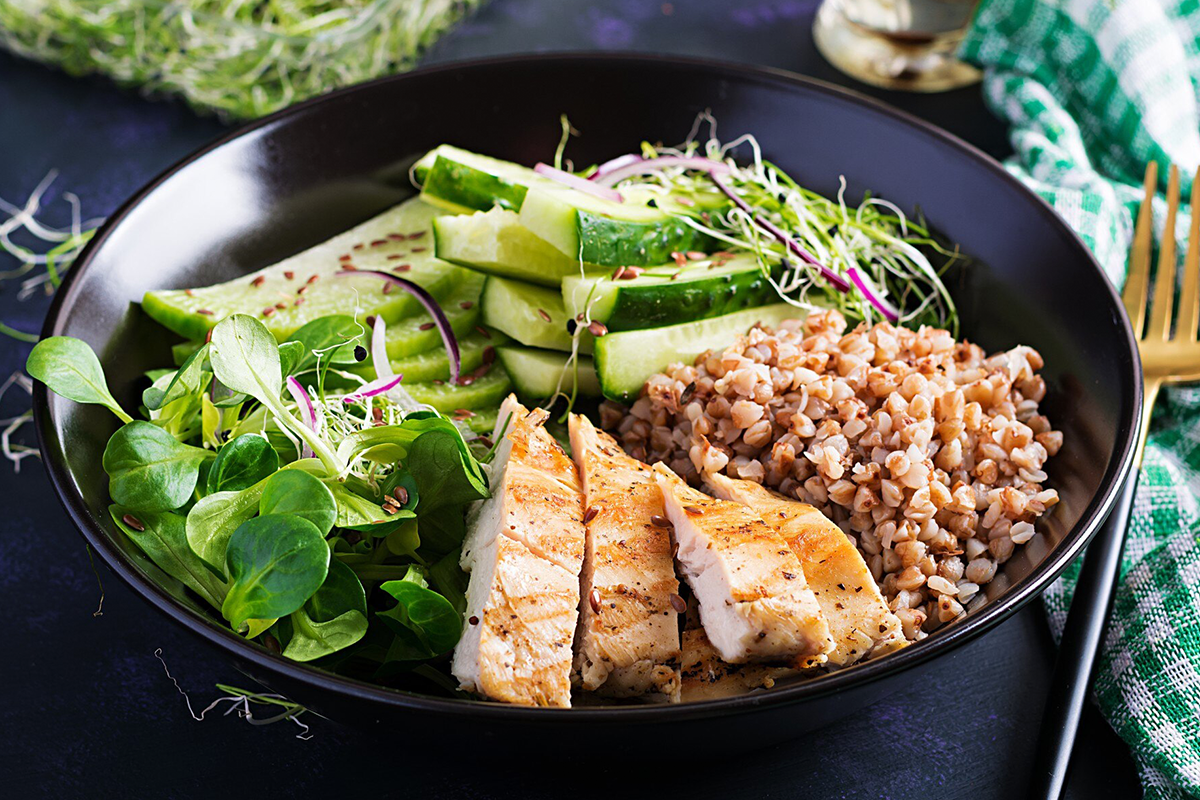
  • Grilled chicken with quinoa and roasted vegetable salad (pumpkin, zucchini, capsicum), dressed with lemon and olive oil
  • Steamed broccoli

Afternoon Snack

  • A handful of almonds or walnuts
  • Sliced apple

Dinner

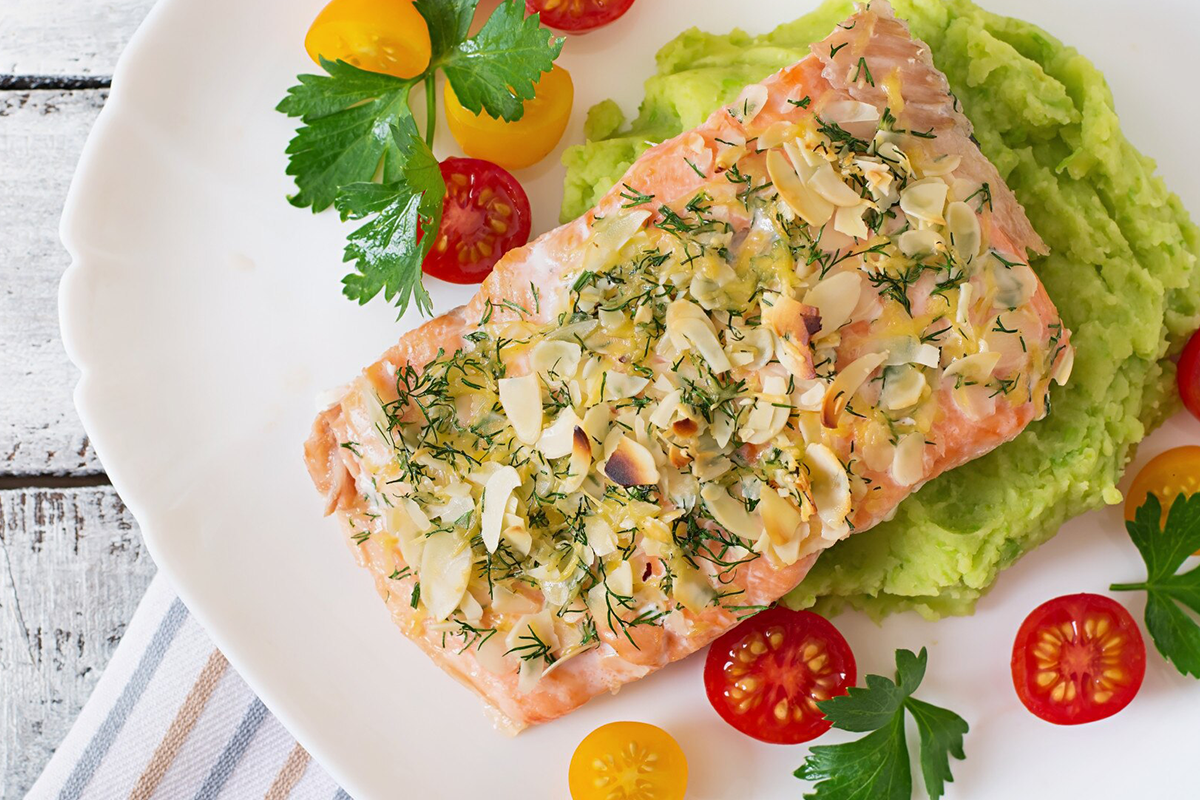
  • Baked salmon with sweet potato mash and sautéed green beans
  • Mixed leaf salad with avocado

Optional Evening Snack

  • Cottage cheese with a few slices of cucumber

Why Nutrition + Lifestyle Support Matters

Even with a well-planned diet, it can be difficult to meet all your nutritional needs through food alone when intake is reduced. A comprehensive daily multivitamin formulated to cover common nutritional gaps can act as a valuable safety net.

Vitamins and minerals can only be of assistance if your dietary intake is inadequate, supplements are designed to complement a healthy diet, not replace it. Always discuss your supplement regimen with your healthcare provider, who can assess your individual needs through regular blood monitoring and recommend adjustments as needed.

Movement Matters Too

Nutrition is only part of the picture. Regular resistance-based exercise is important for maintaining muscle mass during weight loss, and protein alone, without movement, is not sufficient to fully protect muscle tissue.

Even light resistance training a few times per week, combined with daily movement, can make a meaningful difference to your body composition and energy levels throughout your program.

Work With Your Team

Medical weight loss is most effective when it's supported by a whole-of-health approach, nourishing food, regular movement, quality sleep, and the ongoing guidance of a healthcare team who knows your individual situation.

If you're unsure where to start with your nutrition, a consultation with a registered dietitian can help you build a practical, personalised eating plan that supports your goals and keeps you feeling well throughout your journey.

Always follow the advice of your prescribing healthcare professional regarding your medical weight loss program. This article provides general nutrition information only and is not a substitute for personalised medical or dietary advice.

Related Products

BN Nutrition-1 - Advanced Formula